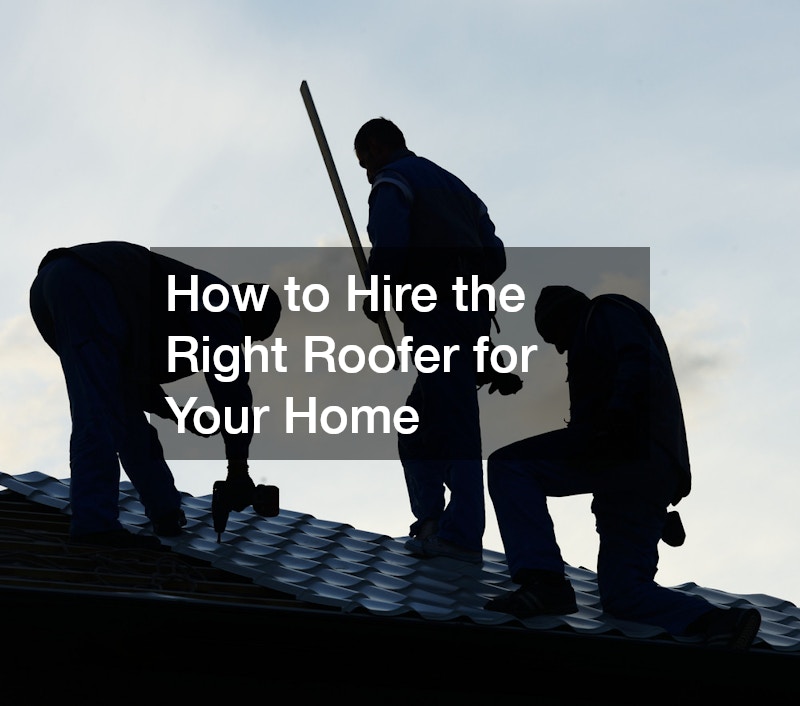
Finding the right roofer for your home can feel overwhelming. Roof repairs and replacements are significant investments, and choosing the wrong contractor can lead to delays, shoddy work, or unexpected costs. However, with careful research and a structured approach, selecting a reliable, skilled roofing professional can be straightforward.
This guide outlines the key considerations and steps to ensure your roofing project is completed safely, efficiently, and to a high standard.
How to Identify Quality Roofing Contractors
One of the first steps in hiring a roofer is verifying their credentials. A legitimate contractor should have the proper licenses to operate in your state or municipality. Licensing ensures the roofer meets industry standards, follows local building codes, and carries out work legally. Additionally, check for membership in professional organizations or trade associations, which can indicate a commitment to continuing education and ethical business practices. Hiring a licensed roofer not only provides legal protection but also increases the likelihood of a quality finished project.
Experience is a reliable measure of a roofer’s skill and professionalism. Contractors who have been in business for several years often have established processes, relationships with suppliers, and a proven track record of completed projects. Customer reviews, testimonials, and examples of past work can provide valuable insight into a roofer’s reliability and craftsmanship. When possible, request to see previous projects similar to yours to ensure the contractor has experience with your type of roofing material or project scale.
Roofing projects carry inherent risks, from falls to accidental property damage. A professional roofer should have comprehensive liability insurance and workers’ compensation coverage to protect both their team and your property. Additionally, reputable contractors provide warranties on their work and materials. This guarantees that if issues arise after the project is complete, they will address them without additional cost. Insurance and warranties are essential safeguards for homeowners, offering peace of mind and financial protection.
What Should You Expect in a Roofing Estimate?
A thorough roofing estimate should include a detailed breakdown of all anticipated costs. This typically covers labor, materials, disposal fees, permits, and any other expenses associated with the project. Clear estimates help homeowners understand what they are paying for and prevent unexpected charges. Avoid contractors who provide vague or overly low estimates, as these can be a red flag for substandard work or hidden fees.
Understanding the expected timeline for your roofing project is critical. A reliable contractor will provide an estimated start and completion date, factoring in weather, material availability, and crew schedules. This timeline allows you to plan around the work, anticipate potential disruptions, and monitor project progress. It also helps set realistic expectations, reducing the likelihood of frustration due to delays.
Payment structures can vary between roofing contractors. Many require a deposit upfront, with progress payments as milestones are reached and a final payment upon completion. Clear payment terms and conditions protect homeowners and ensure both parties understand their financial obligations. Avoid paying the full amount before work begins, and make sure the contract specifies what payments are tied to, including any penalties for missed deadlines or incomplete work.
How to Verify the Reliability of a Roofer
Checking references and reading online reviews are critical steps in verifying a contractor’s reliability. Ask the roofer for a list of previous clients and contact them to inquire about their experience. Online platforms, such as Google Reviews or the Better Business Bureau, provide additional insights into the contractor’s reputation. Consistently positive feedback and verified references are strong indicators of professionalism and quality workmanship.
Certifications from recognized industry organizations, such as the National Roofing Contractors Association (NRCA) or manufacturer-specific certifications, demonstrate a roofer’s commitment to quality standards. These credentials often require specialized training and adherence to best practices. Hiring a certified contractor increases confidence that your roofing project will meet industry standards and receive proper installation.
Meeting the roofer in person provides an opportunity to assess their communication skills, professionalism, and attention to detail. During the consultation, discuss your project expectations, ask questions about materials, and gauge their responsiveness. A contractor who listens carefully, provides clear explanations, and demonstrates knowledge is more likely to deliver a successful outcome. Personal interaction also helps establish trust, an essential factor when allowing someone to work on your home.
Hiring the right roofer requires careful research and attention to detail. Start by verifying credentials, experience, insurance, and warranties to ensure the contractor is qualified and trustworthy. Obtain a detailed estimate with clear costs, a realistic timeline, and transparent payment terms. Finally, verify reliability through references, industry certifications, and in-person consultations. By following these steps, homeowners can protect their investment, reduce stress, and ensure a roofing project that is completed safely, efficiently, and to a high standard. Careful selection is the foundation of a successful roofing project and long-term satisfaction with your home.
About the Author