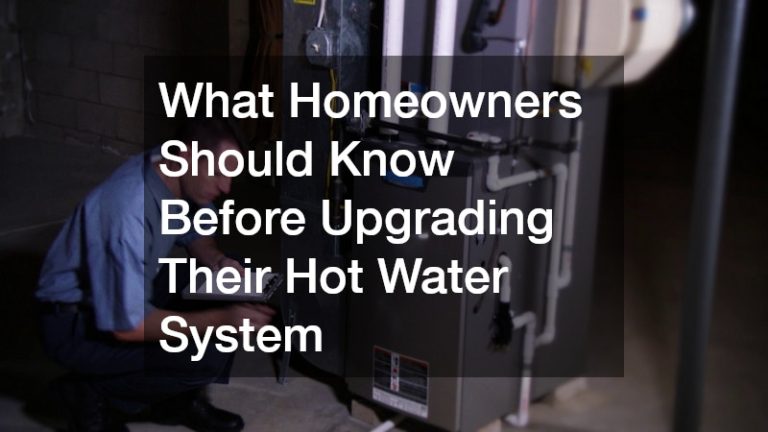
Comfort systems are often treated as a technical detail that can be finalized later in a build, but that mindset frequently leads to inefficiencies, retrofits, and long-term performance issues because critical design decisions have already been locked in. Once framing, ceiling heights, and room layouts are finalized, options for optimizing airflow, equipment placement, and system efficiency become limited. This often results in compromises that reduce comfort or increase operating costs over time.
Heating and cooling decisions affect floor plans, ceiling heights, energy usage, and even resale value in ways that are not always immediately obvious. Mechanical space requirements can influence storage and living areas, while duct routing and equipment placement can impact ceiling aesthetics and room proportions. Energy efficiency and comfort consistency also play a growing role in buyer expectations, making system performance a meaningful factor in long-term value.
When these systems are planned alongside structural and design elements, the result is a home that feels consistent, efficient, and reliable from the first day of occupancy. Airflow is balanced, temperatures are predictable, and systems operate within their intended range rather than being pushed to compensate for design limitations. Managing comfort systems during a new project requires foresight, coordination, and an understanding of how each phase of the build influences the next, ensuring that early decisions support lasting comfort rather than creating obstacles that must be addressed later.
Integrate Comfort Planning Early in the Build Process
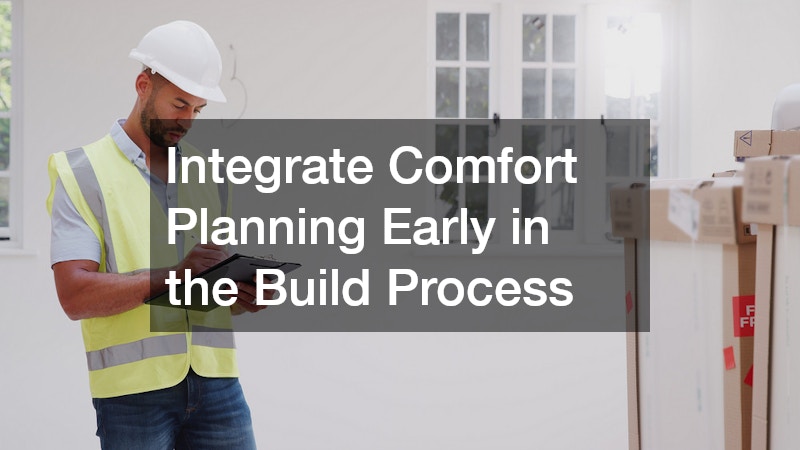
In any home construction project, comfort planning should begin at the same time as architectural design because heating and cooling performance is directly tied to how the home is shaped and built. When these decisions are postponed until walls are framed or layouts are finalized, system designers are forced to work around constraints that may compromise efficiency, airflow balance, or long-term serviceability. Early planning ensures that mechanical pathways, equipment locations, and airflow strategies are intentionally integrated into the structure instead of being squeezed into leftover space.
Key reasons to plan early include:
- Room orientation and window placement directly affect heat gain and loss, influencing system sizing and zoning requirements before any equipment is selected.
- Ceiling heights and framing choices influence air distribution, determining where supply and return pathways can be placed without reducing performance.
- Mechanical space requirements can alter storage or living areas, especially when adequate clearances are needed for access and maintenance.
Actionable steps to integrate planning early:
- Review floor plans with comfort performance in mind before permits are finalized, identifying areas that may need additional airflow or specialized zoning.
- Allocate dedicated space for equipment, chases, and returns so systems can operate efficiently without encroaching on finished spaces later.
- Coordinate the system needs with insulation and air sealing strategies to ensure that the building envelope supports the intended comfort performance.
When comfort planning is treated as a core design element rather than an afterthought, the entire project benefits from fewer design revisions, smoother construction sequencing, and more predictable outcomes once the home is occupied.
Choose the Right System Strategy for the Property Type
Different property types have different comfort demands, and strategies that work well in single-family homes may not translate effectively to apartments. In multi-unit environments, multiple households share structural elements, utilities, and mechanical space, which introduces challenges not present in detached homes. Occupancy patterns can vary widely from unit to unit, and comfort systems must accommodate those differences without creating inefficiencies or discomfort elsewhere in the building.
Important considerations for multi-unit properties include:
- Balancing individual comfort control with overall energy efficiency so residents can adjust their own settings without driving excessive system load.
- Managing sound transmission between units, as equipment noise or airflow can become a significant source of complaints in shared structures.
- Ensuring equitable performance across varying layouts, where unit size, orientation, and exposure may differ significantly.
Planning tips for these environments:
- Evaluate whether centralized or unit-specific systems better support long-term operation, taking into account maintenance logistics and operating costs.
- Design access points for maintenance that minimize disruption to occupants, allowing routine service without entering living spaces whenever possible.
- Consider future tenant turnover and ease of system adjustments, ensuring systems can be reset or reconfigured without major modifications.
Selecting the right strategy upfront helps avoid uneven comfort, excessive energy use, and ongoing complaints after occupancy, creating a more stable and manageable environment for both residents and property managers.
Select Qualified Partners for System Design and Oversight
The success of a comfort system depends heavily on the expertise of the professionals involved, because system performance is determined long before equipment is turned on. A qualified HVAC company brings design insight, code knowledge, and coordination experience that extends beyond basic equipment installation. Their role often includes evaluating building plans, identifying potential conflicts, and ensuring systems are properly sized and integrated. Similarly, a heating company plays a critical role in ensuring year-round comfort, especially in regions with wide seasonal temperature swings, where heating performance is just as important as cooling efficiency.
When evaluating partners, look for:
- Demonstrated experience with similar project types, including an understanding of how system demands vary based on layout, occupancy, and climate.
- Willingness to participate in early planning discussions, rather than stepping in only after construction decisions are already locked in.
- Clear documentation and performance accountability, so expectations are defined and verifiable.
Best practices for working with these professionals include:
- Requesting load calculations rather than rule-of-thumb sizing to ensure systems are tailored to the actual conditions of the home.
- Reviewing proposed layouts for serviceability and access, confirming that future maintenance can be performed without invasive work.
- Clarifying responsibility for inspections, testing, and final adjustments so nothing is overlooked during project closeout.
Strong partnerships reduce the risk of underperforming systems and help ensure that design intent translates into real-world comfort that remains consistent long after construction is complete.
Coordinate Installation Timelines With Construction Milestones

Proper sequencing is essential during air conditioning installation because timing directly affects both system performance and construction efficiency. Installing components too early exposes them to dust, debris, and accidental damage from other trades, while installing too late can interfere with inspections, delay finishing work, or require rushed adjustments. Alignment with construction milestones keeps progress steady and allows each phase to build on a stable foundation.
Critical timing considerations include:
- Rough-in work should align with framing and before insulation, so pathways and connections can be installed cleanly and inspected without obstruction.
- Equipment placement must be finalized before drywall to ensure adequate clearances, proper support, and accurate alignment with ductwork and controls.
- Final connections should occur after interior finishes are protected, reducing the risk of cosmetic damage and contamination.
Actionable coordination tips:
- Create a detailed installation schedule tied to construction phases so installers arrive when the site is fully prepared.
- Confirm the readiness of each area before installers arrive, including access, power availability, and completion of prerequisite work.
- Protect installed components from dust, moisture, and impact by sealing openings and covering equipment until commissioning.
Thoughtful scheduling ensures that installation supports construction progress rather than competing with it, minimizing disruptions and preserving system integrity.
Plan for Long-Term Performance and Service Access
A system that performs well on day one must also be easy to maintain over its lifespan, because ongoing upkeep directly affects efficiency, reliability, and indoor comfort. Planning for air conditioning services and residential cooling services during the design phase helps prevent situations where routine maintenance requires dismantling finished surfaces or navigating tight, unsafe spaces. When access and serviceability are considered early, long-term care becomes straightforward rather than disruptive.
Design considerations that support long-term performance:
- Clear access to filters, controls, and service panels so routine tasks can be completed quickly and consistently.
- Adequate clearance around equipment for routine work, allowing technicians to service components without obstruction or risk.
- Logical routing of lines and drains to reduce the chance of leaks, clogs, or hidden damage over time.
Homeowner-focused planning tips:
- Ensure documentation is stored in an accessible location, including manuals, warranties, and service records.
- Ask for maintenance guidance specific to the installed system so expectations are clear from the start.
- Design spaces so service visits do not disrupt daily living, such as locating equipment away from primary living areas when possible.
Systems designed with maintenance in mind tend to last longer and operate more efficiently over time, reducing unexpected costs and preserving comfort throughout the life of the home.
Prevent Post-Construction Issues Through Quality Controls
Even well-installed systems can develop issues if testing and verification are rushed or treated as a formality. Construction schedules often compress toward the end of a project, increasing the temptation to skip detailed checks in favor of faster closeout. Addressing potential air conditioning repair needs before occupancy reduces callbacks and ensures consistent performance, allowing issues to be corrected while access is still easy and trades are readily available.
Quality control measures should include:
- System testing under expected operating conditions to confirm performance during realistic temperature and load scenarios rather than brief startup checks.
- Verification of airflow and temperature balance to ensure each space receives appropriate distribution and no areas are over- or underserved.
- Inspection of connections and controls to confirm wiring, drainage, and control settings are properly configured and secured.
Additional steps to reduce future issues:
- Schedule final walkthroughs with system specialists who can identify subtle performance concerns that may not be obvious during casual observation.
- Document baseline performance for future reference, creating a benchmark that helps identify changes or degradation over time.
- Address minor concerns immediately rather than deferring them, as small inconsistencies often worsen once the system is under daily use.
Proactive quality checks help catch small problems before they become major disruptions, protecting system reliability and reducing the likelihood of unexpected service needs after move-in.
Keep Systems Clean and Protected During the Build

Construction environments generate dust, debris, and contaminants that can compromise system performance if not managed properly. Fine particles from drywall, sawdust, and construction materials can settle inside ductwork and equipment, restricting airflow and introducing pollutants into the living space once the system is activated. Planning for AC duct cleaning at the right time protects indoor air quality and equipment efficiency by ensuring contaminants are removed before regular operation begins.
Best practices for cleanliness include:
- Sealing openings during high-dust activities to prevent debris from entering ductwork and internal components.
- Delaying system operation until major debris-generating work is complete reduces the chance of contaminants being pulled into the system.
- Inspecting internal components before startup to identify and address visible buildup or obstructions.
When cleaning is appropriate:
- After drywall sanding and finishing, fine particulate matter is most likely to accumulate.
- Before final system commissioning, ensure performance testing reflects clean operating conditions.
- Before occupancy to ensure clean airflow and a healthier environment for occupants.
Maintaining cleanliness during construction supports healthier indoor environments from day one and helps preserve system efficiency over the long term.
Balance National Standards With Regional Requirements
Comfort system design must reflect local climate, codes, and expectations because regional conditions directly influence how systems perform over time. Temperature extremes, humidity levels, and seasonal variations all affect sizing decisions and equipment selection. Working with local AC services ensures that these regional factors are properly addressed, from managing moisture levels to maintaining performance during peak demand periods.
Regional considerations often include:
- Climate-specific sizing and performance requirements that account for local weather patterns rather than generic averages.
- Local inspection processes and documentation, which may differ from national standards and affect approval timelines.
- Environmental factors such as coastal corrosion or high altitude, both of which can impact equipment durability and efficiency.
Actionable planning steps:
- Verify compliance with local standards early to prevent redesigns or delays during inspections.
- Adjust design assumptions based on regional data, including historical temperature ranges and humidity levels.
- Coordinate inspections to avoid last-minute changes that can disrupt finishing schedules.
Local expertise helps ensure that systems perform reliably under real-world conditions, delivering consistent comfort while meeting regulatory and environmental demands.
Managing comfort systems during new home projects requires more than selecting equipment and scheduling installation because comfort is the result of dozens of interconnected decisions made throughout the build. Each choice—from layout and materials to sequencing and quality control—either supports or undermines how well the system performs once the home is occupied. Treating comfort as a standalone task often leads to reactive fixes instead of intentional design.
It involves early planning to ensure system needs are accounted for before constraints are locked in, informed partnerships that bring technical insight into design discussions, careful sequencing so components are installed under the right conditions, and attention to long-term performance rather than short-term completion. When these elements work together, systems are easier to maintain, more consistent in operation, and better aligned with how the home is actually used.
By integrating comfort considerations into every stage of the build, homeowners and builders reduce the likelihood of costly revisions, avoid performance gaps between rooms, and create environments that function as intended from day one. The result is living spaces that feel balanced, efficient, and dependable for years to come, rather than homes that require ongoing adjustments to achieve basic comfort.
About the Author