
A home should offer dependable protection from the weather while remaining comfortable and practical throughout the year. Yet everyday exposure to sunlight, wind, rain, and fluctuating temperatures gradually affects roofing, windows, doors, and other exterior components. Small gaps or overlooked maintenance needs can allow drafts and moisture to enter, reducing comfort and creating problems that become more expensive to address over time. Improving a home’s performance requires looking at how these features work together rather than treating every project as an isolated repair. A practical plan also leaves room for maintenance between major upgrades.
Durability and energy efficiency often support the same goal: keeping unwanted outdoor conditions from affecting indoor spaces. A sound roof sheds water, properly sealed openings limit air leakage, and well-maintained drainage directs runoff away from vulnerable areas. Some improvements involve simple inspections or targeted repairs, while others require replacements or new equipment. By assessing current conditions, setting priorities, and coordinating qualified professionals, homeowners can make informed upgrades that improve everyday living and support the long-term condition of their property.
Evaluate Existing Conditions Before Choosing Upgrades
Starting with a thorough assessment helps homeowners separate urgent repairs from improvements that can be planned over several years. Walk around the property and note visible changes such as loose roofing materials, peeling finishes, water stains, damaged trim, or gaps around window and door frames. Inside, pay attention to rooms that feel unusually hot or cold, persistent drafts, condensation, and musty odors. These observations help identify where additional investigation may be worthwhile.
An energy assessment can add useful information beyond a visual inspection. A qualified professional may evaluate insulation, air leakage, ventilation, and heating or cooling performance to identify opportunities for improvement. Not every comfort problem requires replacing a major component. For example, a draft might come from deteriorated weatherstripping rather than a failing window, while water staining could indicate a flashing defect instead of widespread roof damage.
Create a written list of findings and categorize each item by urgency, potential damage, cost, and impact on comfort. Give immediate attention to active leaks, unsafe structures, and other conditions that could worsen quickly. Then consider upgrades that align with future goals, such as reducing drafts or preparing for renewable energy equipment. Taking this broader view helps prevent unnecessary spending and allows related projects to be completed in a sensible order.
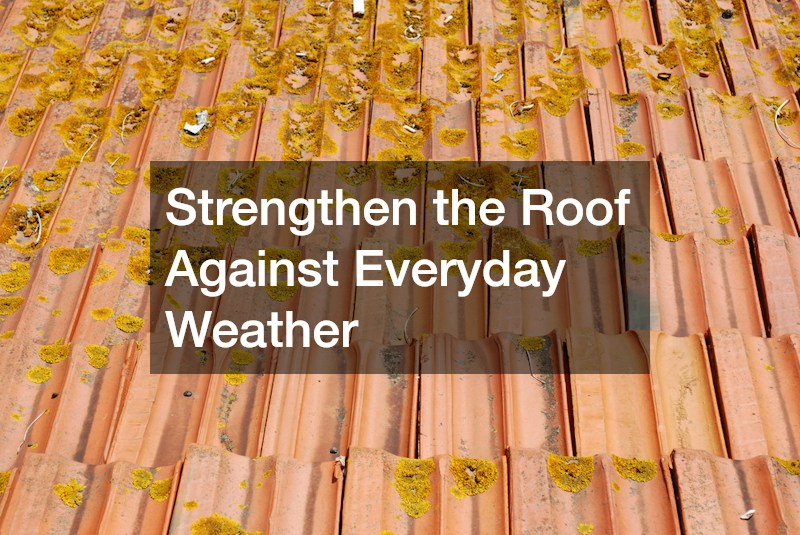
Strengthen the Roof Against Everyday Weather
The roof is one of the home’s primary defenses against moisture and extreme temperatures. Missing shingles, damaged flashing, cracked seals, and deteriorated materials can weaken that protection. Homeowners should look for visible damage after major storms and arrange inspections when leaks, unusual wear, or changes around roof penetrations appear. Because roof work involves fall hazards, detailed assessments and repairs are generally better left to qualified roofing professionals.
Targeted roof repairs can be appropriate when damage is localized and the surrounding materials remain in serviceable condition. A contractor may address failed flashing, replace damaged sections, or correct specific sources of water intrusion. The underlying cause matters as much as the visible symptom. Simply covering a stain or sealing the wrong location may allow hidden moisture damage to continue.
When deterioration is extensive or the roofing system has reached the end of its useful life, roof replacement may provide a more durable solution. Compare materials based on expected service life, maintenance requirements, local weather conditions, ventilation needs, and compatibility with the home’s design. Ask contractors how underlayment, flashing, and moisture barriers will be installed, since overall performance depends on more than the outer roofing material.
Proper attic insulation and ventilation also contribute to comfort and roof performance. Addressing these systems together can help manage heat and moisture while reducing the chance that new roofing conceals unresolved problems. Checking attic spaces after storms can reveal moisture problems earlier.
Address Chimney Problems and Vulnerable Connections
Chimneys rise above the roofline and are exposed to rain, wind, temperature shifts, and repeated wetting and drying. Mortar joints can deteriorate, masonry can crack, and metal flashing where the chimney meets the roof can loosen. These weaknesses may allow water into attic spaces or adjacent walls, even when the rest of the roof appears to be in good shape. Routine inspections can help homeowners recognize concerns before damage spreads.
Common warning signs include crumbling mortar, staining on nearby ceilings, loose bricks, damaged chimney caps, and moisture around the fireplace. Chimney repairs may involve restoring masonry joints, replacing damaged components, or correcting flashing and waterproofing details. The appropriate solution depends on the location and extent of the deterioration, so an accurate diagnosis should come before cosmetic work.
A chimney used with a fireplace or other fuel-burning appliance also requires attention to safe venting. Qualified chimney professionals can evaluate deposits, obstructions, liners, and other conditions related to operation. Homeowners should avoid treating visible exterior repairs as proof that the entire system is ready for use.
Timing matters when roofing work is planned. Coordinating chimney maintenance with nearby roof work can reduce repeated disruption and make it easier to inspect adjoining materials. Repairing these transitions supports moisture control and helps protect finishes, insulation, and structural components below the roof.
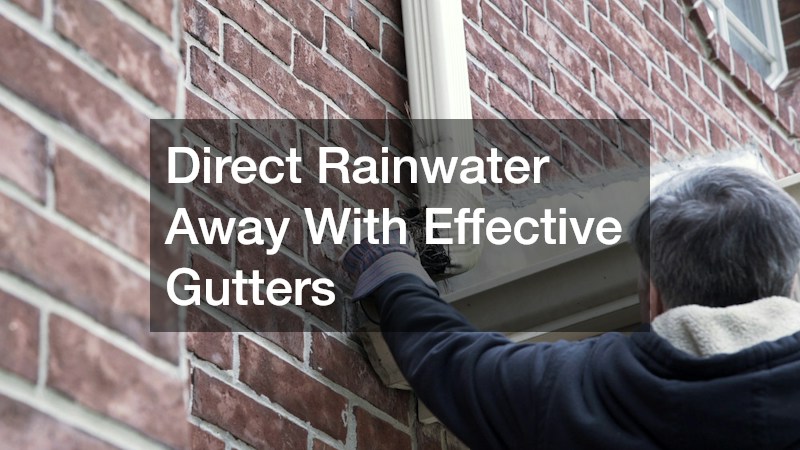
Direct Rainwater Away With Effective Gutters
Even a well-built roof needs a reliable way to handle runoff. Gutters collect water at the roof edge and direct it toward downspouts, helping limit erosion, siding stains, and excess moisture near the foundation. When channels clog or separate from the fascia, overflowing water can undermine landscaping and create slippery areas near entrances. Checking drainage during and after heavy rainfall can reveal problems that are easy to miss on a dry day.
Routine gutter cleaning removes leaves, twigs, and accumulated sediment so water can move through the system. Frequency depends on surrounding trees, roof conditions, and seasonal debris. Homeowners should also check for loose brackets, damaged joints, sagging sections, and downspouts that discharge too close to the building. Ground-level observations are safer than attempting difficult ladder work without appropriate equipment.
Where existing drainage components are failing or poorly sized, seamless gutter installation may be worth considering. These systems use long sections formed to fit the home, reducing the number of joints along straight runs. They still require suitable slopes, secure attachments, functional outlets, and regular maintenance. Material selection and proper placement are important for directing water effectively.
Drainage planning should extend beyond the gutter itself. Downspout extensions, grading, and appropriate discharge locations help move runoff away without sending it toward neighboring properties. Coordinating roof and drainage improvements can protect new materials and reduce the risk of recurring moisture issues.
Improve Window Performance Without Overlooking Repairs
Windows influence natural light, indoor temperatures, noise levels, and the way a room feels throughout the day. Older units may develop worn seals, loose hardware, or gaps that allow outside air to enter. Condensation, sticking sashes, damaged weatherstripping, and visible frame deterioration can indicate that attention is needed. Identifying the specific problem is the first step toward choosing a proportionate solution.
Residential window repair may restore performance when the frame and surrounding structure remain sound. Depending on the condition, work could involve adjusting hardware, replacing weatherstripping, repairing operable components, or addressing water intrusion around the opening. Failed insulating glass seals may require glass-unit replacement. Homeowners should also investigate surrounding flashing or siding defects when leaks appear near a window.
For more substantial upgrades, energy efficient windows can help manage heat transfer when selected and installed appropriately. Consider glazing, frame materials, climate suitability, and performance ratings rather than choosing products based on appearance alone. A high-performing unit may still disappoint if its installation leaves gaps or allows water behind surrounding finishes.
Window decisions should account for the home’s broader needs. Shading, insulation, ventilation, and sunlight exposure all affect comfort, so a replacement is not always the first or only improvement to make. Comparing repair costs with expected replacement benefits can produce a more practical investment plan. Installation warranties should explain coverage for both products and workmanship.

Improve Entryway Comfort With Better Exterior Doors
Exterior doors serve as everyday access points and important parts of the home’s weather barrier. A door that sticks, rattles, leaks, or allows noticeable drafts can affect comfort and security. Problems may come from worn seals, misaligned hinges, a deteriorated threshold, or movement in the surrounding frame. Inspecting these areas can reveal whether a modest adjustment is enough or a larger project is necessary.
Replacing weatherstripping, tightening hardware, and correcting alignment may improve an otherwise serviceable door. However, extensive damage, persistent leakage, or an unsuitable frame can make exterior door replacement a reasonable choice. When evaluating new doors, consider insulation, durability, glass configuration, maintenance, and resistance to local weather conditions. The design should also suit the home’s architecture and the frequency with which the entrance is used.
Installation details are critical. A properly fitted door needs an effective threshold, continuous air sealing, suitable flashing, and secure attachment to the framing. Poor installation can create drafts and moisture problems even when the door itself has strong performance specifications. Review the entire opening rather than focusing only on the new panel.
Entryway upgrades can also improve usability. Adequate lighting, easy-to-operate hardware, and a stable walking surface support safer access for residents and visitors. Combining these practical considerations with weather protection helps homeowners make improvements that remain useful for years.
Plan Solar Improvements Around Roof Readiness
Solar equipment can be part of a longer-term strategy for managing household electricity use, but installation should follow an honest assessment of the home’s condition. Roof age, orientation, shading, available space, and structural suitability all influence project feasibility. Trees, chimneys, and neighboring buildings may affect sunlight exposure at different times of day. Reviewing these factors early can help homeowners understand whether a rooftop system makes sense for their property.
Experienced solar installers can explain equipment options, evaluate the proposed location, and discuss expected production using site-specific information. They can also outline electrical work, permitting, utility requirements, and maintenance access. Homeowners should request written proposals that clarify equipment, warranties, financing assumptions, and how estimated savings were calculated. Actual results depend on local electricity prices, sunlight, household use, and system performance.
If the roof will likely need major work soon, consider that timing before adding solar panels. Removing and reinstalling equipment for roofing work can add expense and complexity. Coordination between roofing and solar contractors helps determine where attachments will be placed and how waterproofing responsibilities are handled.
Solar generation should complement, rather than distract from, basic efficiency improvements. Air sealing, suitable insulation, and well-maintained windows and doors can address avoidable energy waste while a solar system supplies electricity. A coordinated approach helps each investment serve a clear purpose.

Coordinate Projects and Maintain Long-Term Results
Exterior improvements are often connected, so project order can be as important as product selection. Roof work may affect gutters, chimney flashing, and future solar mounting. Window or door replacements may disturb siding and interior finishes that should be repaired as part of the installation. Planning these connections can reduce duplicated labor, scheduling conflicts, and the chance of damaging recently completed work.
Before hiring, request detailed written estimates that define materials, preparation, installation, cleanup, and warranty terms. Confirm required licenses where applicable, insurance coverage, and local permit responsibilities. Ask how contractors will protect landscaping, existing finishes, and access routes during construction. Comparing these details offers a clearer picture than evaluating prices alone. Small preventive habits can protect the value of larger upgrades.
Establish a realistic budget that includes room for unexpected conditions, particularly in older homes where concealed deterioration may become visible during repairs. Prioritize active water intrusion, safety concerns, and significant air leakage before purely decorative changes. Keep records of inspections, work performed, product information, and maintenance recommendations so future decisions build on accurate history.
Once upgrades are complete, schedule periodic checks instead of assuming new materials need no attention. Look for debris buildup, damaged sealants, changes around openings, and drainage problems after storms. Prompt responses to small issues can help preserve larger investments. With thoughtful planning and regular care, a home can remain more resilient, comfortable, and efficient as conditions and household needs change.
About the Author