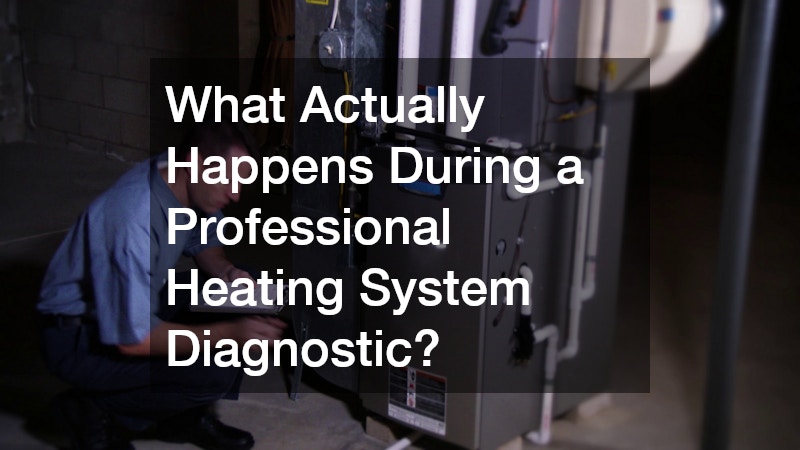
Understanding the nuances of what happens during a professional heating system diagnostic can help homeowners make informed decisions when seeking heating repair services in Chattanooga, TN. Heating systems, much like any other complex equipment, require regular diagnostics to maintain optimal operation. A professional diagnostic can help pinpoint the exact cause of heating inefficiencies or potential failures, ensuring comfortable interior climates without the fear of unexpected breakdowns.
By comprehensively understanding these procedures, homeowners empower themselves to keep heating systems in peak condition.
What is the Importance of a Heating System Diagnostic?
Identifying Potential Issues Early
Early identification of issues in a heating system significantly reduces the likelihood of complete system failures. By catching problems early, repairs can be made when they are more manageable and less costly. Small issues like worn-out seals or minor ductwork leaks, for instance, can compound and lead to more significant issues if not addressed promptly. Professional diagnostics provide a detailed analysis, which includes checks for wear and tear and potential future problems. By conducting these checks, homeowners in Chattanooga, TN can avoid unexpected Heating Repair Chattanooga TN expenses.
Enhancing System Efficiency
Diagnostics play a crucial role in enhancing the efficiency of heating systems. An efficient heating system not only saves money on utility bills but also reduces unnecessary strain on the unit. During a diagnostic check, technicians assess various components such as the burners, heat exchangers, and airflow to ensure efficient operation. Addressing inefficiencies might involve simple solutions like cleaning filters or recalibrating thermostats. Efficiency enhancements through regular diagnostics ensure that the heating system functions optimally, effectively keeping homes warm with minimal energy consumption.
Ensuring Safety Standards
Heating systems, when malfunctioning, can pose safety risks such as gas leaks or electrical faults. A professional diagnostic ensures that every component within the system meets recommended safety standards. Technicians check for carbon monoxide leaks, frayed wires, and other potential hazards during these thorough inspections. By ensuring these safety standards, homeowners are not only complying with regulations but are also providing a safe environment for their families. As such, diagnostics are not merely about comfort—they are a critical aspect of ensuring household safety.
How is a Heating System Diagnostic Performed?
Initial Assessment and Interview
Before any physical inspection of the heating system begins, technicians carry out an initial assessment through a brief interview with the homeowner. This interview collects vital information regarding any issues the homeowner may have noticed, previous repairs, and the general performance of the system. Understanding the symptoms from the homeowner’s perspective guides technicians in focusing on areas that might need particular attention. In many cases, this discussion can reveal overlooked changes or alerts that could necessitate a more in-depth examination. This step ensures an efficient diagnostic process and assists in uncovering hidden problems.
Testing Electrical Components
Electrical components are critical parts of any heating system and require meticulous testing to ensure proper operation. Technicians use specialized instruments to test the electrical connections, circuit boards, and wiring integrity. It involves verifying voltage levels and ensuring that all connections are secure, without signs of wear or arcing. Any identified electrical issues are promptly addressed, as they can lead to severe malfunctions or even safety hazards. This detailed electrical examination ensures that the heating system remains reliable and safe to operate.
Evaluating System Performance
The performance evaluation of the heating system is essential for ensuring it operates at optimal levels. This involves checking the system’s ability to effectively heat the space it is intended to service. Technicians review airflow, temperature outputs, and cycle duration to ensure all parameters are met according to industry standards. By evaluating performance, diagnostics can pinpoint areas that require adjustments or repairs to improve efficiency. This stage ensures the heating system performs efficiently, providing comfort without unnecessary energy expenditure.
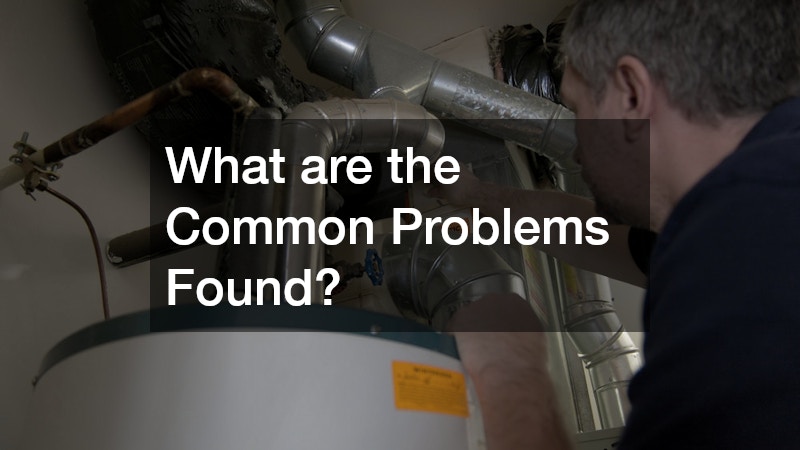
What are the Common Problems Found?
Faulty Thermostats
One of the most common issues uncovered during heating system diagnostics is a faulty thermostat. Incorrectly calibrated or malfunctioning thermostats can lead to temperature inconsistencies and ineffective heating. During diagnostics, technicians check for wiring connection issues, miscalibrations, or software errors in smart thermostats. A faulty thermostat can mislead the system into operating inefficiently, affecting both comfort and energy consumption. Addressing thermostat issues is often a straightforward fix that significantly enhances the overall system operation and efficiency.
Leaking Ductwork
Ductwork is integral to distributing heated air throughout a home, and leaks in these ducts can lead to considerable energy loss. Diagnostics involve checking the integrity of duct joints and connections, ensuring they are secure and free from leaks. Leaking ductwork often results in uneven heating and increased energy bills, as the system works harder to maintain desired temperatures. Technicians use specialized tools, such as smoke pencils or pressure tests, to identify and localize leaks for prompt repair. By sealing any leaks, homeowners experience more consistent temperatures and reduced utility costs.
Ignition or Pilot Light Issues
Ignition or pilot light issues are frequent problems that can impair a heating system’s function. Gas furnace systems, in particular, rely on the ignition of the pilot light to start the heating process. Issues like a dirty or malfunctioning burner or an extinguished pilot light can halt system operations entirely. During diagnostics, technicians check these components, ensuring they ignite correctly and sustain a consistent flame. Rectifying ignition problems restores the furnace’s ability to heat effectively, preventing further disruptions in service.
Scheduling regular heating system diagnostics is crucial for maintaining the optimal performance and efficiency of your heating system. By understanding what to expect from a professional service, homeowners in Chattanooga, TN can ensure their systems are safe, efficient, and reliable. Professional diagnostics help in preemptively addressing small issues before they escalate into costly repairs or replacements. Regular checkups contribute significantly to system longevity and energy efficiency, translating into financial and environmental benefits. The proactive management of heating systems through consistent diagnostics exemplifies a wise approach to home maintenance.
About the Author